Every detailer eventually learns that clean paint and a spotless interior still look unfinished if the wheels are dull or caked with brake dust. Wheels sit inches from the asphalt, take the brunt of heat cycles, and collect everything the road throws at them. That mix of high temperatures, abrasive dust, and corrosive contaminants makes wheels the hardest-working surfaces on a vehicle. Wheel coating changes the maintenance equation. With the right prep and product, coated rims shed grime faster, resist staining, and keep their luster between washes.
This is not just about gloss. A well-executed wheel coating protects the finish, reduces time spent scrubbing, and prevents long-term damage that often goes unnoticed until it is pricey to fix. The difference is obvious to anyone who has fought baked-on brake dust that reappears three days after a wash.
Why wheels get filthy faster than paint
Brakes generate iron-rich particulates that land on nearby surfaces while they are still hot. Those particles embed in clear coat or powder coat and start to corrode, especially if the surfaces are damp. Add in tar, road salt, magnesium chloride, and fine silica from road construction, and you have a cocktail that bonds aggressively to the wheel face and barrels. The heat from braking and the porous nature of many wheel finishes accelerate chemical reactions that leave stains or etch marks. Painted and powder-coated wheels suffer from this, and bare aluminum or polished finishes are even more vulnerable.
The wheel well microclimate also works against you. It is humid after rain, hot after a drive, and rarely gets thorough airflow to dry quickly. That means contaminants stay wet longer, which speeds up corrosion and bonding. On heavily driven vehicles, especially European models with high-performance pads, uncoated wheels can look dirty within 48 hours of a thorough wash.
What a wheel coating actually does
Think of a wheel coating as a thin, dense, chemical-resistant layer that fills microscopic pores and bonds to the wheel finish. Most professional-grade products use ceramic chemistry, typically based on silicon dioxide or similar precursors that cure into a hard, glass-like network. Unlike traditional waxes or polymer sealants, a ceramic coating is not just sitting on top. It anchors to the surface, which gives it far better resistance to heat and chemicals.
Two traits matter most for keeping rims cleaner: low surface energy and high hardness. Low surface energy means brake dust and grime have fewer places to latch on, so they rinse away more easily. High hardness means less micro-marring from brushes and towels, which preserves that slickness over time. Many wheel-specific coatings are formulated to handle sustained temperatures of 400 to 800 degrees Fahrenheit at the caliper end, which would degrade or discolor most paint sealants.
The time savings add up
A standard wheel cleaning on an uncoated daily driver can take 10 to 15 minutes if you are thorough: presoak, iron remover, agitation with multiple brushes, face wipe, and final rinse. Multiply by four, and a careful wash turns into an hour on wheels alone. With a properly coated wheel, you usually skip the heavy chemistry and go straight to a pH-balanced soap and light agitation, sometimes just a strong rinse. In our shop notes, we see cleaning times drop by a third on modestly dirty vehicles, and by half when you are dealing with wheels that normally cling to dust, like matte black or intricate split-spoke designs. Over a year of regular washing, that cuts hours off maintenance.
There is also less need for aggressive wheel acids or frequent iron removers. Those products work, but they are harsh on finishes and can dry out rubber and nearby plastics if used constantly. Coatings help you reserve the strong stuff for periodic decontamination rather than weekly scrubs.
Brake dust behavior changes on coated wheels
Uncoated wheels let iron particles embed and begin oxidizing. That is why they sometimes feel gritty after a wash. On a coated surface, those particles find fewer pores to settle into, and the slick coating interrupts the early stages of oxidation. Instead of chemically locking to the finish, more of the dust stays mobile and releases with rinsing. This is why many coated wheels look acceptably clean after a touchless wash. You still have to remove buildup at the barrels and behind spokes now and then, but the workload shifts from fighting contamination to maintaining slickness.
On vehicles with low-dust pads, the benefit is amplified. But even on high-performance cars that dust heavily, a good wheel coating keeps the face from staining and makes barrel cleaning less of a chore.
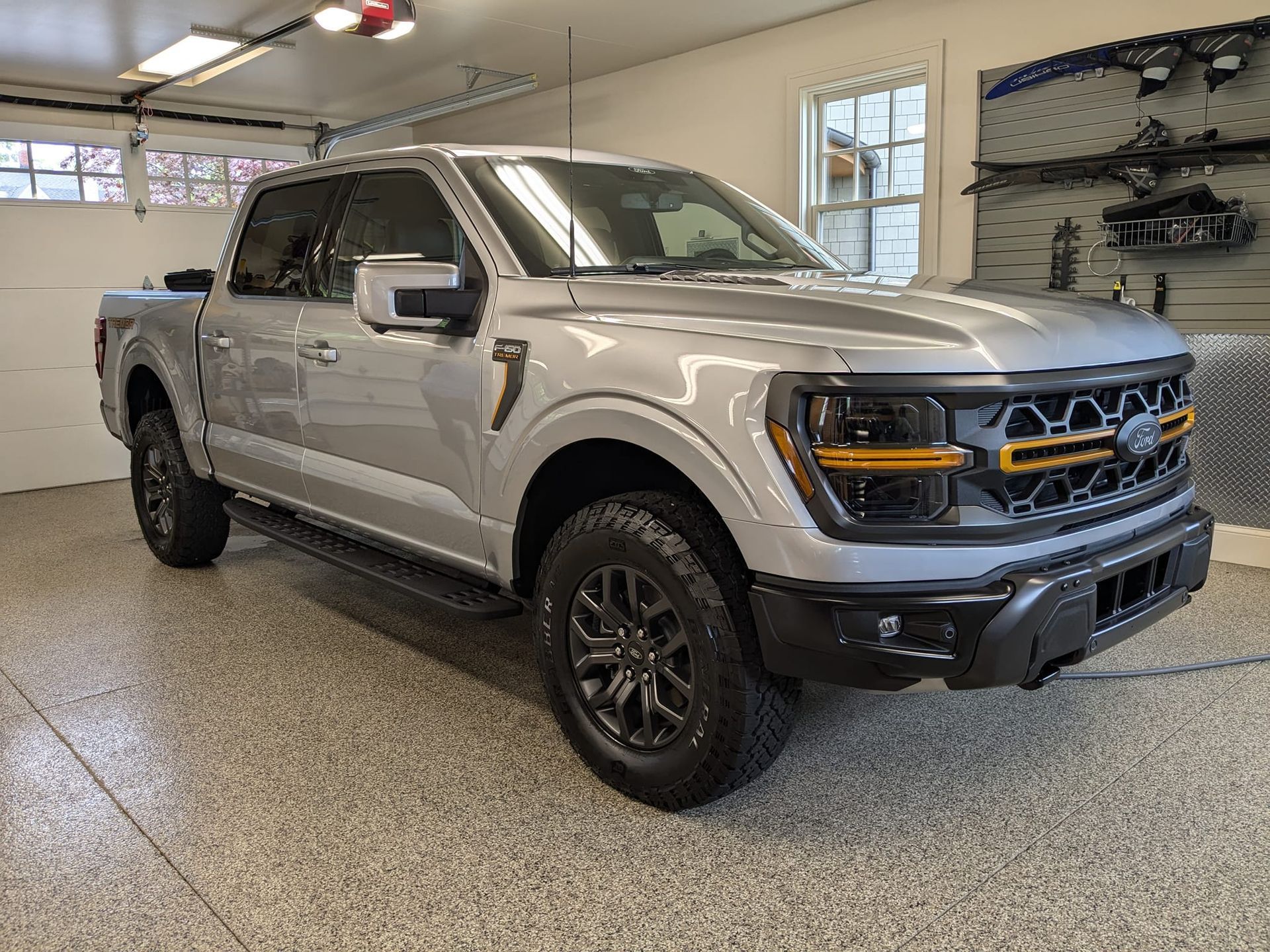
Where wheel coatings differ from paint coatings
It is tempting to think of wheel coating as a paint coating slapped onto a different surface. The chemistry overlaps, but high-heat exposure, rapid thermal cycling, and aggressive contamination call for a product with extra temperature stability and stronger solvents in the carrier. Off-the-shelf paint ceramics can work on wheels in mild service, but they often lose hydrophobics faster and require more frequent top-ups. A wheel-specific product, or a high-temp ceramic rated for calipers and exhaust trim, will hold up better across seasons.

This becomes more important for vehicles exposed to de-icers. Road salt and brine solutions creep into every crevice and can stain valves and stems. A robust wheel coating builds a sacrificial layer that resists chemical attack and slows corrosion of lug recesses and inner barrels.
The prep makes or breaks the result
A coating only performs as well as the surface it bonds to. Rushed prep guarantees the slick feeling fades early. The minimum viable process includes thorough cleansing, iron decontamination, tar removal, clay where appropriate, and polishing if the finish has etched spots or light marring. Wheels often need more correction than owners expect, especially the barrel area.
We photograph wheels under bright LEDs to spot embedded iron halos and faint etching that ambient light hides. If the wheel is off the car, you gain access to the barrel, hub pad, and behind spokes, which helps extend the coating’s real-world benefit. Even a single-step polish on a coated or painted wheel can raise gloss significantly and remove the micro-roughness that undermines coating bond. Residue-free wipe-downs matter too. Any leftover dressing, silicone, or cleaner will weaken adhesion.
Longevity you can measure, not wish for
Most wheel coatings claim ranges on the bottle because mileage, climate, and wash habits vary. In practice, you can expect 12 to 24 months of strong hydrophobics on a daily driver if you prep well and use gentle wash methods. Wheels that see hard track use or constant mountain braking will shorten those numbers, but the protective layer often persists beneath even after the water behavior mellows. Many owners refresh hydrophobics with a compatible silica spray every few months. That quick topper does not replace the base coating, it reinforces slickness and makes wash days easy again.
A simple yardstick we use is rinse response. If a firm hose stream sheets cleanly and leaves minimal water behind, the coating is still doing most of its job. When water clings and dries in uneven patches, it is time for a gentle decon wash and a maintenance topper.
Edge cases and honest limits
Not every wheel will respond the same way. Matte and satin finishes benefit from protection, but they demand careful prep and the right product to avoid altering the sheen. Bare polished aluminum needs a coating designed for metal surfaces, and it should be polished to the desired brightness first. Heavily pitted or corroded wheels might need refinishing before coating, otherwise the product will lock in the defects. Also, tire dressings can migrate onto the wheel face and mute hydrophobics. Use a water-based dressing sparingly, and wipe any sling immediately.
Heat from track days can exceed rating claims. High-temp coatings help, but no consumer product is invincible against repeated 900-degree spikes on iron rotors with race pads. In those scenarios, plan on more frequent maintenance and realistic expectations. The coating still reduces chemical bonding and staining, but water beading may fade faster.
Where wheel coating fits among other protection options
Wax on wheels looks nice for a week or two at best. Traditional polymer sealants stretch that to a month or two. Ceramic coating, even a single layer, beats both for chemical resistance and longevity. Some owners ask about film. Paint protection film on wheel faces is rare and difficult to install cleanly, and heat at the barrel makes film unsuitable there. For calipers, a high-temp ceramic is the workhorse solution.
If your vehicle already has a ceramic coating on the paint, your wash routine likely uses pH-neutral soaps and safe tools. Wheel coating lets you standardize around that method. You do not have to break out a dedicated acid cleaner every weekend just to keep the rims presentable.
What we see in the field at On the Spot Mobile Detailers
At On the Spot Mobile Detailers, mobile detailing means we work on cars where they live and drive, not in a climate-controlled showroom. We notice the difference climate and commute patterns make. City cars with stop-and-go braking load the leading edges of spokes with iron. Rural commuters fight gravel dust and larger grit. Delivery vans see constant heat cycling and need fast turnarounds. After hundreds of wheel coatings in these conditions, the pattern is consistent. When prep includes iron removal, a proper polish, and panel wipe, and the coating is a wheel-rated ceramic, cleaning times drop, and the face resists visible staining even in salt season.
One client with a black SUV fitted with large multi-piston brakes used to book quarterly deep cleans because the wheels dulled within a week. After coating, we reduced his chemical aggression, swapped to a soft barrel brush, and added a silica topper every third wash. He now schedules biannual decons and reports that weekly rinses restore a near-fresh look. That is not a miracle, just chemistry doing its job on a properly prepared surface.
The coating process, step by step
For readers who want a clear picture of how a professional service executes a wheel coating, the sequence looks like this:
- Degrease and pre-rinse to remove loose grime, then apply an iron remover until the reaction slows. Use a tar remover for bonded asphalt specks, followed by a thorough rinse and pH-neutral soap wash. Clay as needed to remove lingering contamination, then hand polish or machine polish to refine the finish. Wipe with a dedicated panel prep, apply a wheel-rated ceramic coating to face and barrel, level high spots, and allow proper cure time.
That list compresses a lot of nuance. For instance, polishing on intricate wheels demands small pads, patient angles, and frequent pad cleaning. Leveling a coating on matte finishes requires lighter touch to avoid marring. Cure windows vary by product. Some allow gentle exposure after a few hours, others need overnight protection from moisture. When working mobile, we use pop-up canopies and infrared lamps when humidity or temperature swings threaten cure quality.
How wheel coating interacts with other services
Coating the wheels pairs naturally with paint correction and ceramic coating on the body. If you are already performing a paint correction, removing wheels for deeper cleaning and coating while the car is taped and staged saves total time. Interior coating and headlight restoration may seem unrelated, but they share the same philosophy: treat high-touch, high-exposure surfaces with materials that add durability and reduce routine wear. On marine detailing or rv detailing projects, we use similar logic. Gelcoat and fiberglass surfaces benefit from ceramics that shed water and resist grime, just as wheel barrels benefit from a hard, hydrophobic layer. The scale changes, the principle does not.
Mobile detailing workflow also adapts around coating cures. For example, we might complete headlight restoration, apply an interior coating to high-contact areas, then move to wheel coating while the paint ceramic flashes. That way, no step sits idle and each coating gets the attention its window requires.
Daily care for coated wheels
Routine care is simple. Rinse first to knock off loose grit. Use a pH-balanced soap and a separate mitt or soft wheel brush. Reserve iron removers for monthly or quarterly maintenance, depending on dust load. Dry with a dedicated towel to avoid spotting. If you like dressings, go easy on the tire sidewalls and quickly wipe any overspray from the rim. Every few washes, apply a compatible spray sealant to refresh slickness. This thirty-second step pays big dividends in keeping rinse-off performance strong.
Avoid harsh acids unless absolutely necessary, and never on bare aluminum. If you hit a tar string or construction goo, spot-treat with a safe solvent and reapply your topper afterwards. The goal is to keep the coating intact so it can continue to act as your sacrificial layer.
How long it really takes to coat a set of wheels
A quick face-only application can be completed in about 60 to 90 minutes, but that is not the approach we recommend for longevity. For thorough results, budget two to four hours depending on design complexity and headlight restoration otsmobile.com contamination level. Removing wheels adds time, yet it pays off for barrel access and even coverage. On the Spot Mobile Detailers often schedules wheel coating alongside other exterior services to optimize the day, especially on vehicles with intricate spoke patterns that take patience.
Cure protection is part of the time budget. Even fast-flash coatings benefit from a few hours without road spray. If the vehicle must be driven, we lean on coatings that tolerate early exposure and advise a gentle route home.
When a refresh makes sense
All coatings age. If water behavior fades unevenly, or if you start to see faint rings from baked-on dust after each drive, schedule a decontamination wash. We evaluate the surface with a bright light and see whether a topper restores performance. If not, a quick polish and re-coat on the face might be the answer, leaving the barrel for a later session. The advantage of consistent maintenance is that you rarely face a full strip-and-start-over. Instead, you keep the protective stack healthy with minimal downtime.
Brand experience: what On the Spot Mobile Detailers does differently
On the Spot Mobile Detailers has learned to adjust process to the wheel design and use case. A satin bronze wheel on a weekend car gets a product that preserves tone and sheen, with meticulous panel prep to avoid darkening. A high-mileage commuter with painted silver wheels gets a high-temp ceramic that tolerates frequent heat cycles and brine. We take notes on what each wheel endures and tailor post-care instructions to match. Small things matter. Using boar’s hair for tight lugs, keeping brushes clean so they do not redeposit iron, and sequencing the wash so wheels are addressed first and rinsed repeatedly during the wash stage, all contribute to better outcomes.
Our mobile rigs carry multiple iron remover strengths, two tar removers for different paint chemistries, and both solvent and water-based panel preps. It sounds fussy, but that flexibility is why a coating applied in a driveway can last through two winters and still rinse clean.
Choosing a coating wisely
If you like to handle your own car detailing, match the product to your wheels and your environment. Read the temperature rating and look for language that mentions calipers or exhaust trim, that usually signals stronger heat tolerance. If your wheels are matte, confirm the product is safe for low-sheen finishes. Avoid products that lean heavily on gloss enhancers for painted wheels with texture or satin appearance. For ceramic coating on paint, a single brand across paint and wheels is convenient, but not mandatory. Wheel coatings often live in the same family while having a distinct formula.
If your vehicle spends time near marinas or in coastal environments, the salt load and humidity add stress. In those cases, a high-solids wheel coating is worth the extra prep, similar to how marine detailing benefits from ceramics that resist constant spray and salt film.
Realistic expectations for specialty finishes
Diamond-cut faces, two-tone designs, and chrome-plated wheels can be coated, though chrome sometimes sheds hydrophobics earlier. PVD finishes respond well, but surface prep must be gentle. Repainted wheels demand a full cure window from the refinisher, usually at least a couple of weeks, before any ceramic is applied. If you coat too early, solvents in the coating can interfere with outgassing and leave marks.
Polished lips on multi-piece wheels look spectacular and also highlight every water spot. Here, a metal-friendly ceramic slows oxidation and makes towel marks less likely, yet you still need careful drying. We often teach clients a quick blot-dry technique that avoids dragging minerals across the surface.

When to pair wheel coating with other protective steps
Wheel wells are a grime reservoir. If you are investing in wheel coating, consider cleaning and dressing the wells at the same time. A dark, clean liner makes the rims pop and cuts dust circulation. Brake calipers also benefit from a ceramic, both for looks and cleanup. On track cars, we temper expectations since heat is extreme, but even a thin layer on the caliper makes brake fluid cleanup easier after a bleed.
For owners planning broader services like paint correction or residential coating projects for the garage floor, there is a synergy. A cleaner floor throws less dust, and a slick wheel stays cleaner longer in that environment. When we install an interior coating on high-touch surfaces, the goal mirrors the wheel strategy: reduce cleaning effort and preserve the surface under real use.
A brief maintenance checklist for coated wheels
- Rinse first, wash with a pH-balanced soap, and use dedicated tools for wheels. Reserve iron remover for periodic decon, not every wash. Dry to reduce spotting, and wipe any tire dressing sling promptly. Refresh slickness with a compatible spray every few washes. Inspect barrels quarterly, and schedule deeper cleaning before winter or after track use.
The payoff you notice every wash
A clean wheel face changes how the whole vehicle reads, even if the paint is dusty. Owners often tell us that post-coating, their cars look freshly washed for longer because the rims no longer announce every commute. The harder you drive and the more you brake, the more dramatic the difference. That is why wheel coating has become a staple in our service menus at On the Spot Mobile Detailers. It is not a luxury flourish, it is a practical upgrade that keeps the dirtiest part of the vehicle from dictating your wash schedule.
Built on proper prep and maintained with simple habits, a wheel coating buys back your time and protects an area most people ignore until it is too late. If you have ever finished a careful wash only to be let down by streaked and dusty wheels, you have seen the problem. The solution is to change the surface so contamination loses its grip. Done right, that change lasts through seasons, not days, and every rinse reminds you why you made the effort.